How Much Caffeine Is in Hojicha?
Hojicha is Japanese green tea roasted at high heat, which degrades most of the caffeine in the leaves. A standard 8 oz cup of hojicha typically contains 7-10 mg of caffeine — closer to decaf coffee than to sencha or matcha.
About 8 mg per cup — nearly caffeine-free.
How it compares
Hojicha is the go-to Japanese tea for evenings or caffeine-sensitive drinkers. Even three cups in a row deliver less caffeine than a single espresso. It still contains L-theanine, which is why hojicha is often described as calming but not sleep-inducing.
| Drink | Caffeine (mg) |
|---|---|
| Hojicha (8 oz) | 8 |
| Decaf coffee (8 oz) | 3 |
| Sencha (8 oz) | 30 |
| Matcha (1 bowl) | 70 |
| Brewed drip coffee (8 oz) | 95 |
Our picks on Amazon
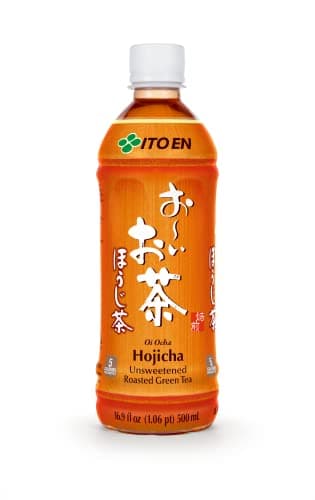
Premium roasted Japanese green tea. Caramel-like flavor, low caffeine, smooth finish. Traditional Kyoto tea.
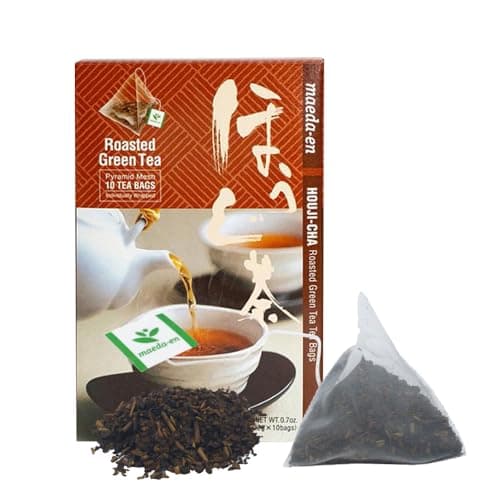
Premium Japanese hojicha from Maeda-en — individually wrapped tea bags, toasty caramel flavor, nearly caffeine-free. The weekday sippable hojicha.
Frequently asked
Is hojicha caffeine-free?
Not technically — it contains about 7-10 mg per cup. But that's low enough that most people can drink it at night without sleep disruption. For true zero-caffeine Japanese tea, mugicha (roasted barley) is the answer.
Can I drink hojicha before bed?
Most people can. Hojicha is often recommended as an evening alternative to regular green tea. If you're highly caffeine-sensitive, opt for mugicha or boricha.
Why is hojicha so low in caffeine?
The roasting process, which happens at ~200°C, breaks down a significant portion of the caffeine in the leaves. It also converts bitter catechins into sweeter compounds — which is why hojicha tastes caramel and toasty rather than grassy.